Summer in Mesa is no joke. Triple-digit temperatures, blazing asphalt, sudden monsoon storms, and dust-filled haboobs can put serious stress on your vehicle. What might be considered routine maintenance in other states becomes a real safety issue here in Arizona.
If you drive around Mesa, Gilbert, Chandler, Phoenix, or anywhere in Maricopa County, your car deals with some of the harshest conditions in the country. Extreme heat can drain your battery faster, overwork your cooling system, and increase the risk of tire problems. Then monsoon season shows up and adds heavy rain, strong winds, and dangerous visibility issues into the mix.
Here are the most important ways to keep your vehicle ready for an Arizona summer.
Surviving the Mesa Heatwave: Engine Cooling System Inspections
Your engine creates heat every time you drive. During a Mesa summer, your cooling system has to work overtime just to keep temperatures under control.
When outside temperatures climb above 110 degrees, small cooling system issues can turn into major problems fast. A weak radiator hose, low coolant, or worn thermostat may not seem like a big deal in cooler weather, but in Arizona, those problems can leave you stranded on the side of the road.
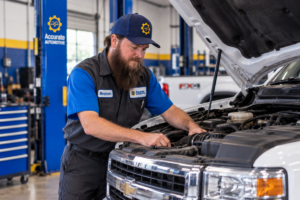
A summer vehicle inspection should always include a close look at your cooling system.
Check Coolant Levels and Condition
Coolant helps regulate engine temperature and prevents overheating. Over time, coolant can break down or become contaminated. If it is old or low, your engine becomes more vulnerable to heat damage.
Look for signs like:
- Rising temperature gauge readings
- Steam coming from under the hood
- Sweet smells from the engine area
- Visible coolant leaks under the vehicle
If you notice any of these warning signs, do not ignore them. Arizona heat can push an already struggling cooling system over the edge quickly.
Inspect Radiator Hoses and Belts
Rubber components wear out faster in extreme heat. Hoses can crack, become brittle, or start leaking. Belts may loosen or wear prematurely.
A quick inspection can catch problems before they become expensive repairs or dangerous roadside breakdowns.
Make Sure the Radiator Is Working Properly
Your radiator removes excess heat from the engine. Dirt, debris, and corrosion can reduce its efficiency over time. In dusty desert conditions, clogged radiator fins are common.
Keeping your radiator clean and functioning correctly helps your engine stay cooler during long drives, stop-and-go traffic, and high-temperature afternoons.
Pay Attention During Traffic
Mesa traffic during the summer can be especially hard on your vehicle. Sitting at long lights or crawling through traffic means less airflow through the radiator, which can increase engine temperatures.
If your temperature gauge climbs while idling but cools down while driving, that could point to fan or cooling system issues that need attention.
Desert Battery Care: Preventing Extreme Heat From Killing Your Charge
Extreme heat speeds up chemical reactions inside the battery, which can shorten its lifespan dramatically. High temperatures can also cause battery fluid to evaporate faster, leading to internal damage.
Watch for Battery Warning Signs
Heat-damaged batteries often show warning signs before they fail completely.
Common signs include:
- Slow engine cranking
- Flickering lights
- Corroded battery terminals
- Electrical issues
- Dashboard battery warning light
If your battery is more than a few years old, summer is the perfect time to have it tested.
Keep Battery Connections Clean
Dust, dirt, and corrosion can interfere with battery performance. Arizona’s dry conditions make buildup more common than many drivers realize.
Keeping battery terminals clean helps ensure proper electrical flow and reliable starts.
Heat Drains Batteries Faster
Short trips, heavy air conditioning use, and constant exposure to high temperatures all increase battery strain. Even newer batteries can struggle if the charging system is not operating correctly.
A professional summer vehicle inspection can help identify weak batteries before they fail unexpectedly.
Monsoon Prep for East Valley Roads: Rain, Haboobs, and Windshield Wiper Safety
One minute, the roads are dry and clear. The next minute, you are dealing with heavy rain, low visibility, blowing dust, and strong winds.
Knowing how to prepare a car for the monsoon season can make a major difference in safety.
Replace Worn Windshield Wipers
Your windshield wipers may seem fine until the first monsoon storm hits. Then suddenly they streak, skip, or fail to clear the windshield fast enough.
Heat damages rubber quickly in Arizona. Wiper blades dry out, crack, and lose flexibility faster than they would in cooler climates.
If your blades leave streaks or make noise, replace them before storm season begins.
Check Your Headlights and Taillights
Heavy rain and dust storms reduce visibility for everyone on the road. Functional headlights and brake lights help other drivers see you clearly during storms.
Take a few minutes to check:
- Headlights
- Brake lights
- Turn signals
- Hazard lights
Even one burned-out bulb can become dangerous during severe weather.
Keep Washer Fluid Full
Dust storms can coat your windshield in seconds. Mud and grime from monsoon rain can make visibility even worse.
Make sure your windshield washer reservoir stays full with fluid designed for high temperatures.
Be Ready for Haboobs
Haboobs are intense dust storms common during Arizona summers. Visibility can drop almost instantly.
If you encounter a haboob:
- Pull completely off the roadway
- Turn off your lights
- Keep your foot off the brake pedal
- Wait until visibility improves
Stopping in traffic lanes during dust storms creates serious risks for other drivers.
Watch for Flooded Roads
Monsoon rains can cause flash flooding fast, especially in low areas and intersections.
Never drive through standing water if you cannot judge the depth. Flooded roads can damage your engine, brakes, and electrical systems.
Hot Asphalt Hazards: Tire Pressure and Tread Care for Mesa Drivers
Hot pavement temperatures can easily exceed 150 degrees. Combine that with long drives, highway speeds, and underinflated tires, and the risk of blowouts increases significantly.
Proper tire care is one of the most important parts of desert car maintenance.
Check Tire Pressure Frequently
Heat causes the air inside the tires to expand. Incorrect tire pressure can affect handling, braking, and tire wear.
Underinflated tires generate more heat while driving, which increases the risk of failure.
Check tire pressure regularly during the summer months, especially before long trips.
Inspect Tire Tread
Tread depth matters even more during monsoon season. Worn tires struggle to maintain traction on wet roads.
Poor tread can increase stopping distances and reduce control during sudden rainstorms.
Look for:
- Uneven tread wear
- Cracks in the sidewall
- Bulges
- Low tread depth
If your tires show signs of damage or excessive wear, replace them before summer driving conditions worsen.
Tire Rotations Help Extend Tire Life
Arizona heat can cause tires to wear unevenly. Regular tire rotations help distribute wear more evenly and improve overall performance.
Consistent tire maintenance also helps improve fuel efficiency and ride quality.
Do Not Forget the Spare Tire
Many drivers forget about their spare until they need it. Make sure it is properly inflated and in usable condition before the summer travel season starts.
Beat the Arizona Sun: Essential Fluid Checks for High-Temperature Performance
Arizona summers push fluids harder than most climates do.
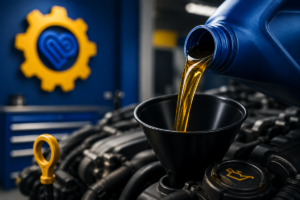
Engine Oil Matters More in Extreme Heat
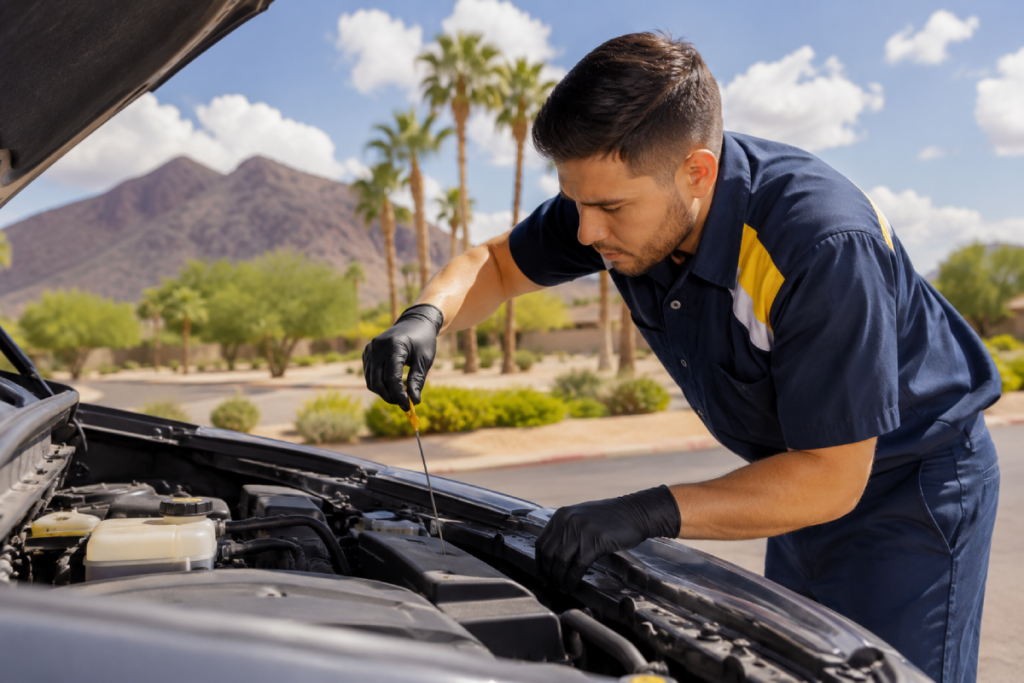
Oil helps lubricate and cool engine components. High temperatures can cause oil to break down faster, reducing its effectiveness.
Old or dirty oil increases friction and engine wear.
Following recommended oil change intervals becomes even more important during Mesa summers.
Transmission Fluid Helps Prevent Heat Damage
Transmission systems generate significant heat during driving. Heavy traffic and high temperatures place extra strain on transmission components.
Low or contaminated transmission fluid can lead to shifting problems and overheating.
Brake Fluid and Power Steering Fluid Should Be Checked Too
Heat affects every major vehicle system. Brake fluid absorbs moisture over time, while power steering fluid can degrade with age and heat exposure.
Regular inspections help ensure these systems continue operating safely.
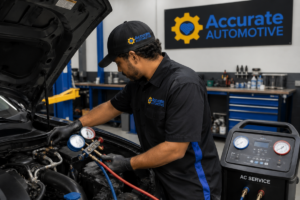
Air Conditioning Performance Matters in Arizona
In Mesa, your air conditioner is not just about comfort. It can become a safety issue during extreme temperatures.
Weak airflow, warm air, or unusual noises may signal AC system problems that need attention.
A properly functioning AC system helps make summer driving safer and more comfortable for you and your passengers.
Stay Safe on Mesa Roads This Summer with Proactive Vehicle Maintenance
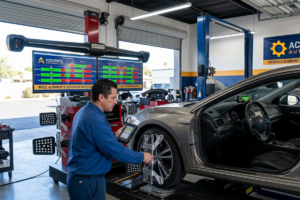
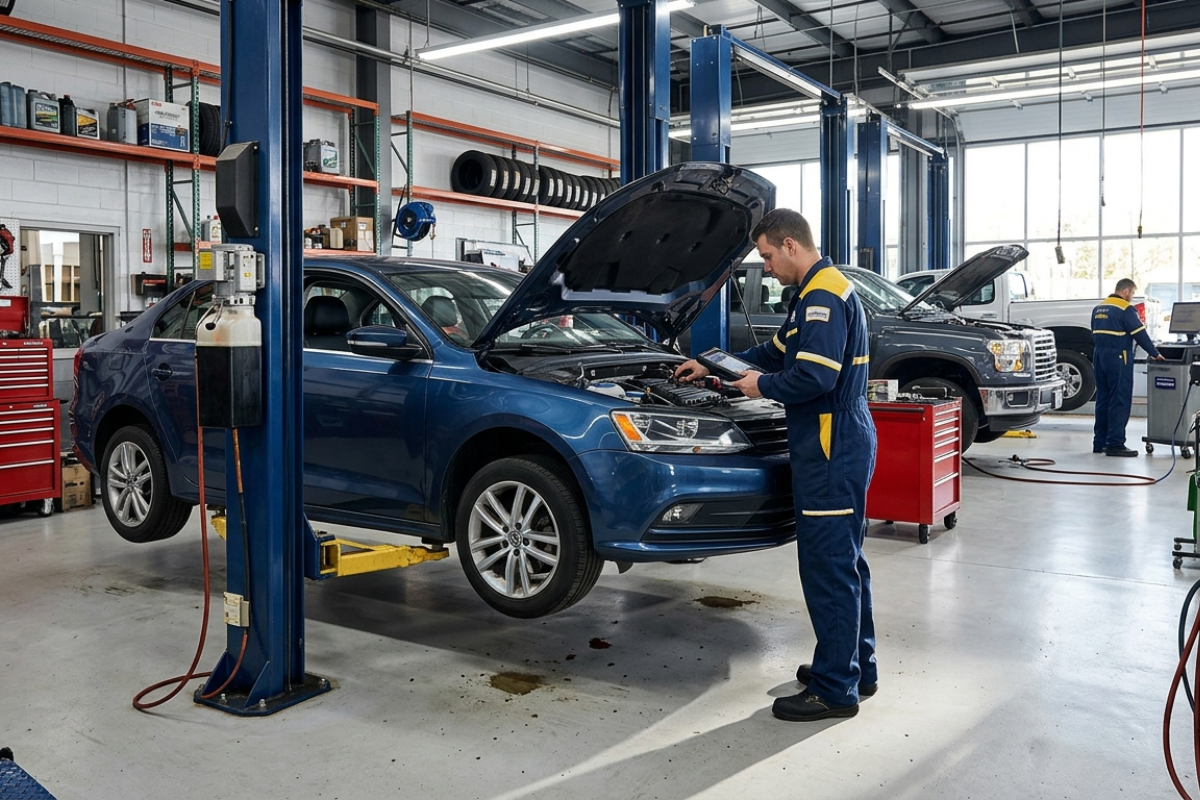
A professional summer vehicle inspection can identify worn components before they fail.
Technicians often inspect:
- Cooling systems
- Tires
- Batteries
- Belts and hoses
- Fluid levels
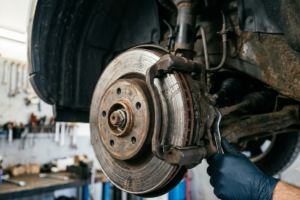
- Brakes
- Air conditioning systems
Finding problems early helps reduce the chances of unexpected repairs or roadside breakdowns.
Pay Attention to Warning Signs
Your vehicle often gives clues before something fails completely.
Do not ignore:
- Strange smells
- Dashboard warning lights
- Vibrations
- Fluid leaks
- Grinding noises
- Slow starts
- Temperature spikes
Addressing these issues early can help prevent larger problems later.
Trust Accurate Automotive for Summer Car Maintenance in Mesa, AZ
At Accurate Automotive, drivers throughout Mesa and the surrounding Maricopa County area trust the team for reliable, professional automotive care. Since 1992, Accurate Automotive has provided high-quality service backed by ASE-certified technicians and modern diagnostic technology.
Whether your vehicle needs a cooling system inspection, battery testing, tire evaluation, fluid service, or a complete summer vehicle inspection, the team works hard to help keep you safe on the road during Arizona’s toughest driving season.
Accurate Automotive works on all makes and models and serves drivers across Mesa, Gilbert, Chandler, Phoenix, and nearby communities.
If you want peace of mind before the summer heat and monsoon storms arrive, schedule your seasonal maintenance inspection with Accurate Automotive today.
Call us at (480) 890-0409 or reach our Facebook page.
Frequently Asked Questions
Why is summer car maintenance important in Mesa, Arizona?
Extreme heat, hot pavement, dust storms, and monsoon weather can accelerate wear on batteries, tires, cooling systems, and fluids, increasing the risk of breakdowns.
How often should I check my coolant during an Arizona summer?
Coolant levels and condition should be inspected regularly throughout summer, especially before long trips or when temperatures exceed 100°F.
What are the warning signs of a failing car battery in hot weather?
Common signs include slow engine cranking, flickering lights, corroded terminals, electrical issues, and a battery warning light.
How do monsoon storms affect vehicle safety?
Heavy rain, dust storms, and reduced visibility can create hazardous driving conditions, making functioning wipers, lights, and tires essential.
Why is tire maintenance critical during Mesa summers?
Hot asphalt increases tire temperatures, which can lead to blowouts, uneven wear, poor handling, and reduced traction during monsoon rains.
What should be included in a summer vehicle inspection?
A complete inspection should include the cooling system, battery, tires, belts, hoses, fluid levels, brakes, and air conditioning system.